
Venetian plaster
Venetian Plaster
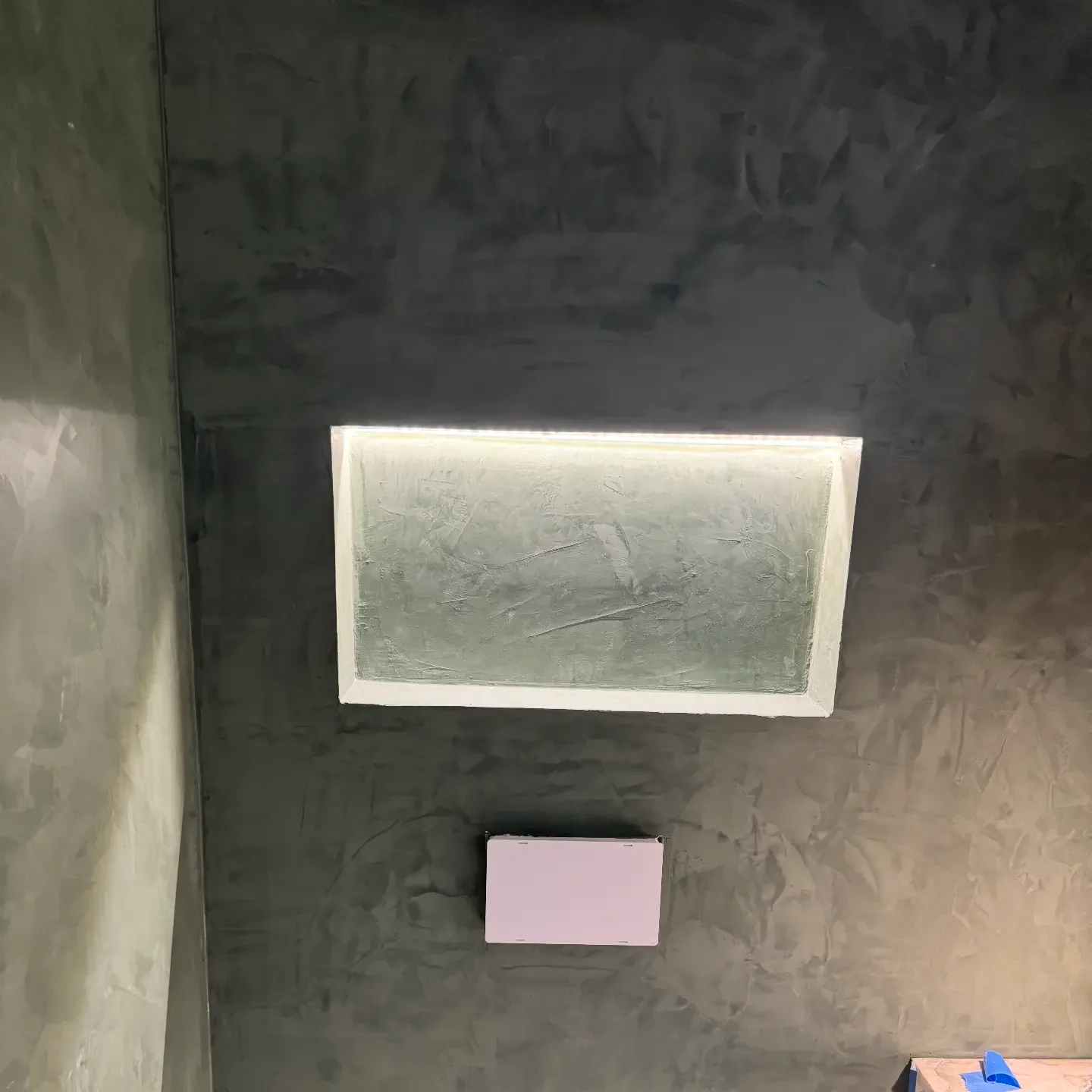
Venetian plaster is applied in thin translucent layers and burnished by hand, so the finish is built in front of you — the depth, movement and sheen are decided on the wall, not in a can.
Layers, not a coating
The plaster is troweled in several thin passes, each one manipulated while wet and burnished once it firms up. Because every layer is translucent, light travels into the wall and back out — that is what gives the finish its depth. It also means plaster cannot be corrected later the way paint can, so the decisions are made as it goes.
- Substrate skimmed and sealed so plaster takes evenly
- Multiple thin troweled passes, each worked while wet
- Hand burnishing to develop sheen and movement
- Waxes or sealers where the wall will be touched
- Sample panels made before the room is committed
Where it works best
Feature walls, fireplace surrounds, stairwells, foyers and dining rooms are the usual places — surfaces that catch light at an angle, where the movement in the plaster reads. We will also tell you honestly when a wall's light or its use makes a different finish the better answer.
The wall under the plaster
Plaster is thin and hard, so it follows whatever sits behind it. Drywall joints, old patching and hairline cracks have to be addressed and isolated first or they will reappear through the finish. That prep is part of the quoted scope, not a surprise added later.
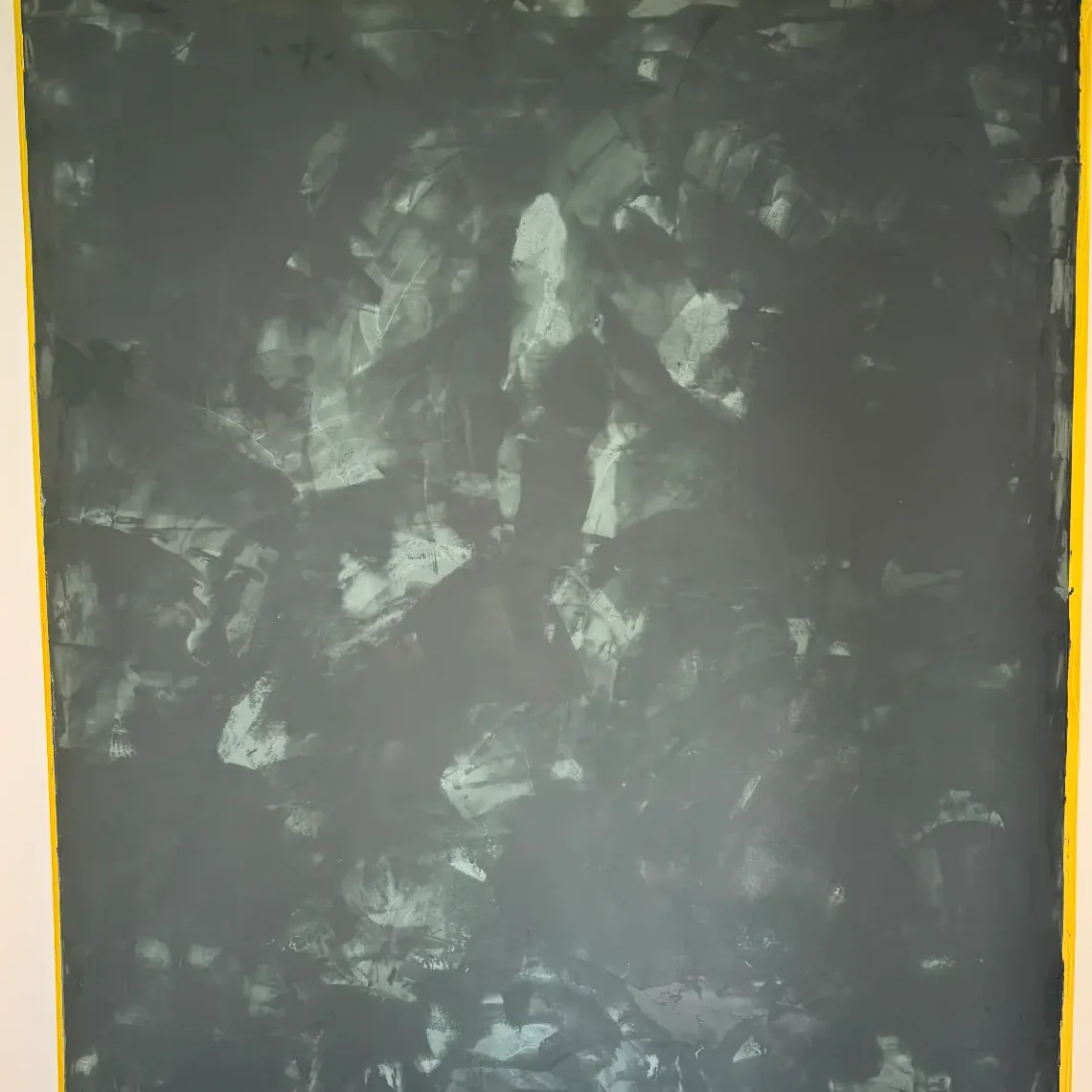
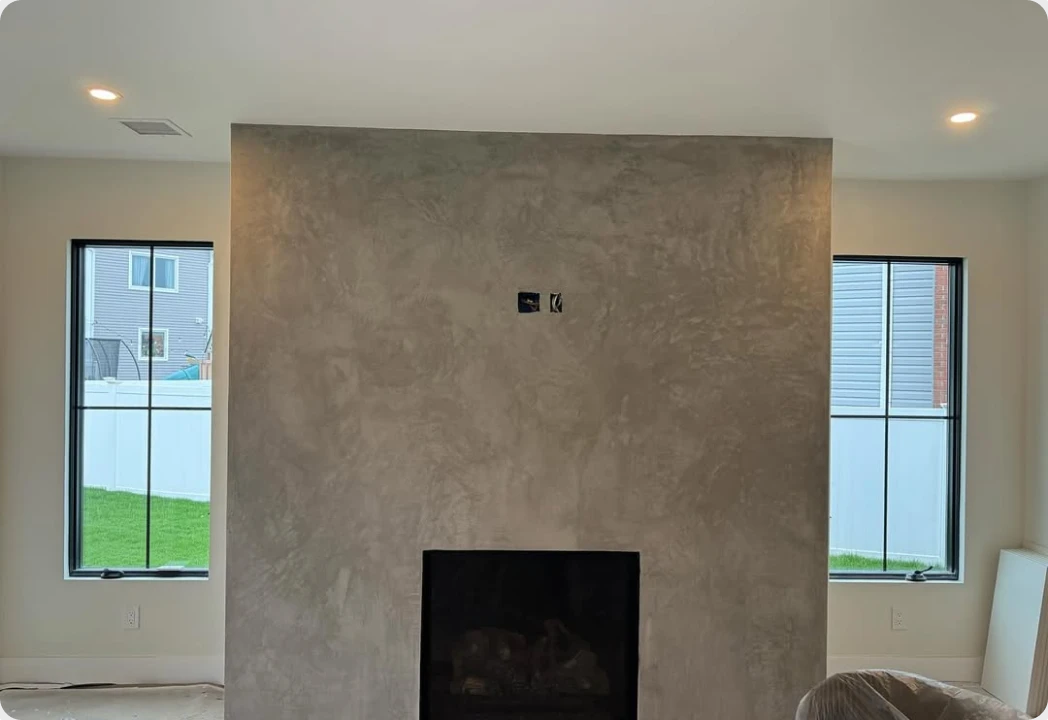
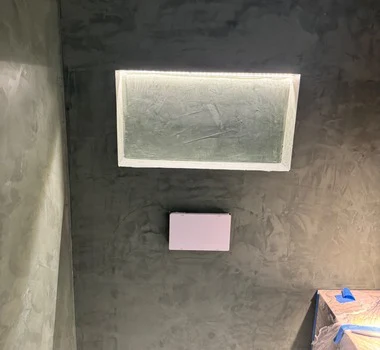
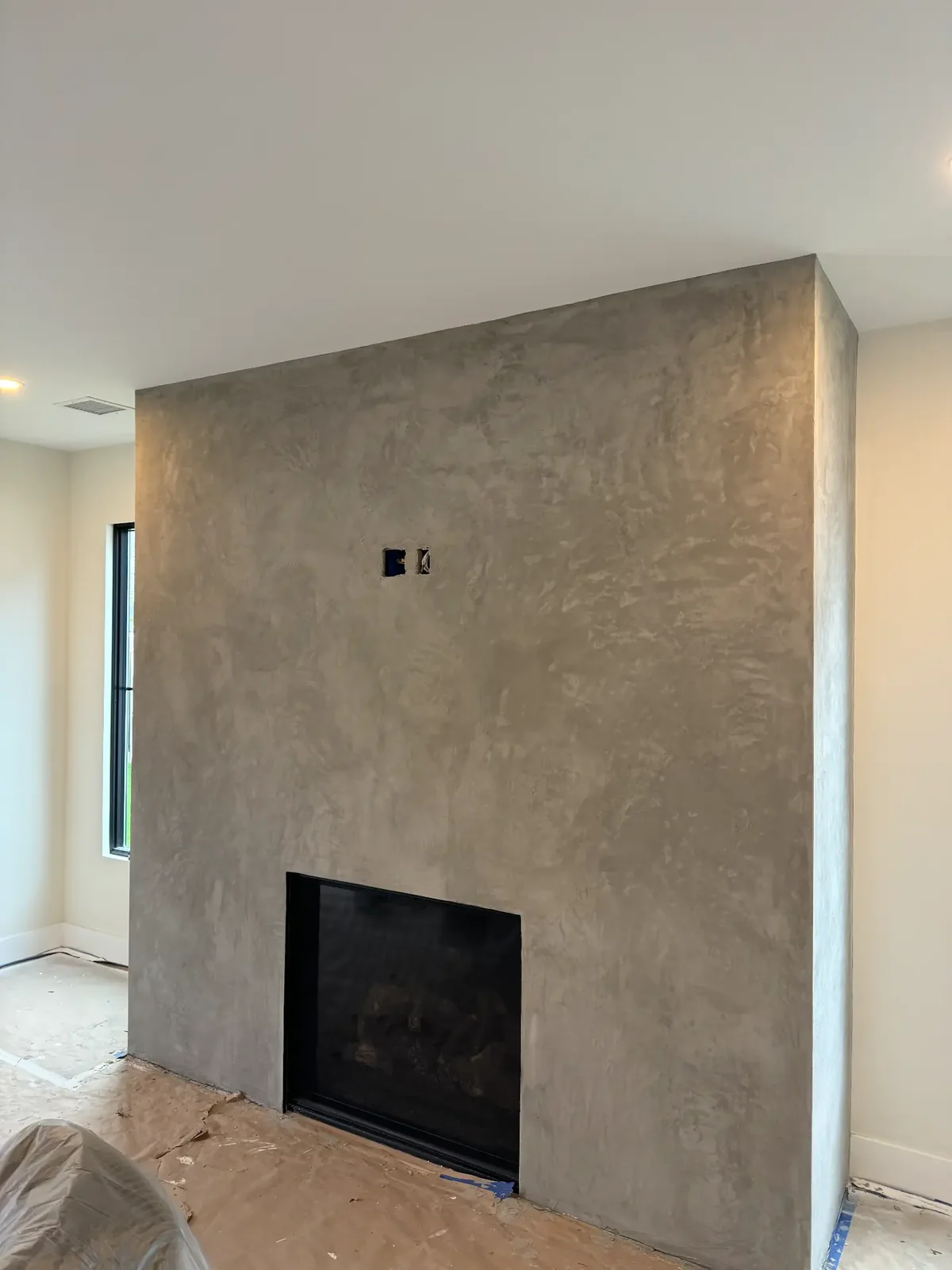
Where we have worked
Venetian Plaster has been completed across Long Island — Nassau County and Suffolk County, including the Hamptons and the East End — plus New York City and Westchester County.
Questions
Frequently asked
- Can Venetian plaster be applied over existing paint?
- Often yes, once the surface is sound, cleaned and properly sealed. Where the existing coating is unstable or the wall moves, we deal with that first rather than plastering over it.
- Is it durable?
- Once cured and sealed it is a hard, long-wearing surface. We specify a sealer or wax for walls that will be touched and show you how to clean it.
- Can you match a plaster sample I brought in?
- We can work closely toward it — color, sheen and the amount of movement are all adjustable, and we confirm with a sample panel before doing the room.
- How long does a plaster wall take?
- Usually several days, since each pass needs to dry before the next. Your estimate lists the passes and the drying time rather than one block of days.
Free estimate
Ready for a venetian plaster estimate?
Send the scope or book a walkthrough — every project is priced clearly and in writing, with the full scope and schedule spelled out.